Hon. Joseph Amankwah
MCE for Kwabre East Municipal Assembly Hon. Joseph Amankwah
Welcome to the official website of the

Kwabre East Municipal Assembly

The Kwabre East Municipal Assembly serves as the highest administrative body and political authority in the municipality, responsible for coordinating development planning, implementing government policies, and delivering essential services to our communities. Our mandate is to promote sustainable development, improve the quality of life of residents, and ensure effective local governance through transparent and accountable leadership.

Kwabre East Municipality, located in the Ashanti Region of Ghana, is committed to improving the living conditions of its residents through job creation, infrastructure development, improved road networks, and effective local governance. The Assembly continues to work towards sustainable development, enhanced public services, and better opportunities for all communities within the municipality.

About the Assembly
What we coordinate

Services that keep the municipality moving

The Assembly works through departments and partner institutions to deliver public services, manage resources, and create conditions for local growth.

Local Governance

Administration, coordination, public engagement, and accountable municipal leadership.
Development Planning

Municipal plans, programmes, monitoring, partnerships, and development priorities.

Infrastructure

Roads, public facilities, works supervision, project delivery, and maintenance support.

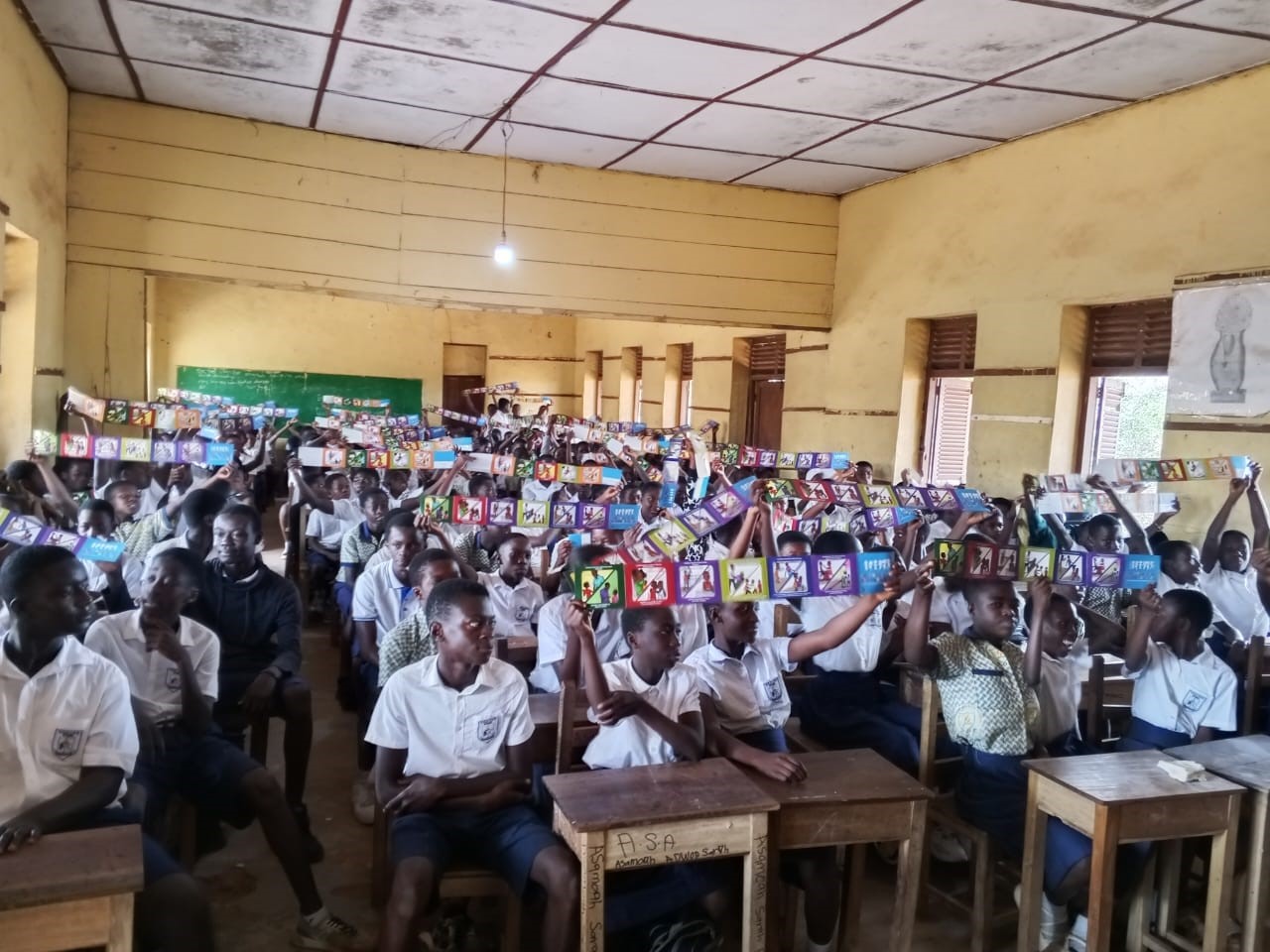
Public Health

Sanitation, environmental health, hygiene education, inspections, and healthier communities.

Agriculture

Extension support, food security, crop and livestock productivity, and sustainable land use.

Social Development

Community empowerment, vulnerable groups, child welfare, inclusion, and social protection.

Departments

Explore Our Dedicated Departments

A simple directory of the offices and units residents can open for more information.

Latest News

Latest stories from Kwabre East Municipal Assembly.

Follow recent Assembly announcements, community stories, and public service updates.
Growth and investment

District Economy

Kwabre East offers strong potential for sustainable business development, agriculture, markets, tourism, infrastructure, and partnerships.

Why invest in Kwabre East

The Kwabre East Municipal Assembly welcomes investors, entrepreneurs, and development partners to explore the diverse business and investment opportunities within the municipality. With its strategic location within the Greater Kumasi urban area, growing population, vibrant commercial activities, and expanding service sector, Kwabre East offers a promising environment for business growth and sustainable investment.

The Assembly is committed to fostering a business-friendly environment by supporting private sector participation, facilitating partnerships, promoting local enterprise development, and encouraging investments that create jobs and improve livelihoods.

  • 01 Proximity to Kumasi provides access to a large consumer market, established commercial centres, and important business networks.
  • 02 Growing opportunities in retail, wholesale trade, distribution, hospitality, and other commercial enterprises.
  • 03 Potential for investment in residential and commercial property, construction, and related infrastructure to support urban growth.
  • 04 Growing local markets and trade centres.
  • 05 Expanding telecommunications and financial services.
  • 06 Supportive local government committed to economic development.

Agriculture and Agribusiness

Although the Kwabre East Municipality is predominantly urban and commercially oriented, agricultural activities remain part of the local economy in some communities. Opportunities exist to support small-scale farming, the supply of agricultural produce, and businesses that connect producers to consumers in nearby markets.

  • Potential areas for investment include:
  • Urban and Peri-Urban Farming: Supporting small-scale crop production in suitable areas within the municipality.
  • Agricultural Produce Trading: Buying, selling, and distributing farm produce to households, retailers, restaurants, and other businesses.
  • Food Processing and Packaging: Exploring opportunities to process, package, and preserve locally available agricultural products.
  • Agricultural Supply Services: Providing farming inputs, equipment, and related services to local farmers.
  • Food Storage and Distribution: Developing facilities and logistics services to improve the storage, handling, and distribution of agricultural produce.
  • These opportunities can complement the municipality's strong commercial and service sectors, support local livelihoods, and strengthen connections with agricultural production areas in the wider Ashanti Region.

Agro-Processing and Value Addition

Most agricultural products are currently sold in raw form, creating strong room for processing facilities and local value addition.

  • Potential investment areas include:
  • Food processing and packaging.
  • Cassava and other locally produced food processing.
  • Grain milling and flour production.
  • Agricultural produce storage and distribution.
  • Food preservation and packaging facilities.
  • Small-scale agro-processing enterprises serving local and regional markets.

Tourism and Eco-Tourism

Kwabre East Municipality offers opportunities for investment in hospitality, accommodation, restaurants, event centres, and recreational facilities. Its proximity to Kumasi and growing commercial activities provides potential for tourism-related services, cultural experiences, and leisure businesses that serve residents and visitors.

  • Traditional Kente Weaving: Adanwomase and other communities known for traditional kente production.
  • Adinkra Printing and Crafts: Ntonso's traditional Adinkra printing and cultural craftsmanship.
  • Wood Carving and Artifacts: Ahwiaa's established wood-carving industry and traditional artisan businesses.
  • Cultural and Traditional Heritage: Opportunities to promote local customs, festivals, traditional practices, and heritage experiences.
  • Hotels and Guest Houses: Accommodation for visitors, business travellers, and people attending social and cultural events.
  • Restaurants and Food Services: Investment in local restaurants, chop bars, catering businesses, and modern dining facilities.
  • Event and Conference Centres: Facilities for weddings, funerals, conferences, celebrations, and community gatherings.
  • Recreational and Leisure Facilities: Family recreation centres, gardens, and other leisure facilities for residents and visitors.
  • Investment in hospitality infrastructure, cultural tourism, and recreational facilities can help create employment, support local artisans, attract visitors, and contribute to economic development within the municipality.

Trade and Market Infrastructure

making market infrastructure and SMEs important growth areas. The Kwabre East Municipality has a vibrant commercial environment supported by local markets, retail and wholesale trading, and small and medium-sized enterprises (SMEs). Opportunities exist to invest in modern market facilities, shops, warehousing, distribution services, and business support services to strengthen trade, create employment, and promote local economic growth.

  • Kwabre East Municipality has a vibrant commercial sector supported by local markets, businesses, and trading activities.
  • Investment opportunities include:
  • Modern markets and commercial facilities.
  • Warehousing, storage, and logistics.
  • Wholesale and retail businesses.
  • Carpentry, wood processing, and metal fabrication.
  • Garment and textile production.
  • Food processing and packaging.
  • Repair services and small-scale manufacturing.
  • Investment in market infrastructure and SME development can create jobs, improve trade, and strengthen the local economy.

Roads and Connectivity

Road improvement is critical because road transport is the main mode of movement for rural communities, markets, farms, and services.

  • Road is the only mode of transport in the district.
  • There are about 316 communities which are predominantly rural, with untarred road networks that make vehicular mobility difficult, especially in the rainy season, and dusty in the long dry season.
  • Sometimes most parts of the district are cut off from the capital during the rainy seasons.
  • Overall improvement, maintenance, and rehabilitation of the road network will lower transportation costs and integrate the rural economy with urban markets to reduce poverty.

Investment Support

The Assembly supports investors by helping them understand opportunities, approvals, partnerships, and local conditions.

  • Facilitating business registration and approvals.
  • Providing information on investment opportunities.
  • Promoting public-private partnerships.
  • Supporting access to land for investment projects.
  • Collaborating with development partners and financial institutions.

Agriculture

The agriculture sector covers crops, livestock, and fisheries, supported by arable land, suitable vegetation, and favourable climate.

  • This sector is divided into three main sub-sectors: crop, livestock, and fisheries.
  • There are vast stretches of arable land with suitable vegetation and climate for optimum crop production. The soil types support a variety of crops.
  • The municipality has comparative advantage in yam, cassava, and cereal production.
  • The introduction of mechanized agriculture for cassava and cereals will stimulate increased income and eventual reduction in poverty.
  • Subsistence farming is predominant, with farmers cultivating very small acreages averaging two acres per farmer. Hoes and cutlasses remain the main farm implements.
  • Credit facilities are not easily available to farmers, and traditional storage methods lead to significant post-harvest losses, especially during the rainy season due to poor road networks.
  • Agro-processing is largely limited to gari processing using cassava; therefore about 95 percent of agricultural produce is sold in raw state.
  • There is potential to increase cattle, goat, sheep, and pig production by introducing new breeds, improving husbandry practices, and establishing fodder banks and improved pastures, especially at Kabiti where there are large expanses of land and water.
  • Fishing is carried out on the Oti arm of the Volta Lake in the district at Kabiti.

Education

Education infrastructure, teacher retention, literacy, and vocational training remain important development priorities for the municipality.

  • The Assembly provides education to the entire district through the Municipal Education Directorate, while the Municipal Coordinating Directorate provides infrastructure for public schools.
  • There are 69 pre-schools, of which 61 are public and 8 are privately owned; 87 primary schools, consisting of 80 public and 7 private; and 37 Junior High Schools, made up of 36 public and one private school.
  • There are four Senior High Schools located at Nkwanta and Brewaniase.
  • The municipality has a challenge with trained teacher retention. Nearly half of all teachers are untrained, while a number of schools have inadequate teaching staff, with serious implications for teaching and learning.
  • Educational facilities such as libraries, furniture, and textbooks are inadequate, and there are still schools under sheds.
  • Nearly 41 percent of the population has never attended school, and over 80 percent of those with some education did not go beyond Basic Education. The situation is more pronounced among females.
  • There are no vocational or technical institutes in the municipality for youth skill training, though young people acquire skills through apprenticeship in mechanic shops, carpentry workshops, dressmaking, and hairdressing salons.
  • The Assembly, with the Rural Enterprises Project and NGOs, will explore community-based capacity building schemes for young people who drop out of school or are unable to attend school.
  • The Assembly is also working with NGOs to develop sports in the district.

Health Service

Health delivery is coordinated through the Municipal Health Management Team and a network of facilities across the municipality.

  • The Municipal health delivery system is managed by the Municipal Health Management Team, headed by the Municipal Director of Health Services.
  • Services include Health Administration, Health Promotion and Curative Services, Maternal and Child Health, Family Planning, Disease Control, and Preventive Services.
  • The team coordinates the activities of various divisions in collaboration with other health-related sectors for health development and disease prevention.
  • There are nineteen health facilities in the municipality: one Municipal hospital, one mission hospital, one health centre at Tutukpene, four clinics, and twelve CHPS compounds.
  • The top five causes of hospital admissions and death are malaria, anaemia, hypertension, pregnancy-related complications, and snake bite.
  • The municipality is involved in malaria control programmes, including Roll Back Malaria, environmental cleanliness, netting of doors and windows, and use of impregnated bed nets, but malaria still accounts for over 40 percent of OPD attendance.
  • Many children suffer from malnutrition because they do not receive adequate nutritious foods, often due to ignorance, poverty, traditional beliefs, or large family size.
  • Potable water coverage is about 75 percent, meaning about 25 percent of people do not have access to safe drinking water. Many households use river or stream water, while about 50 percent use bore-hole, pump, or tube well.
  • The Mutual Health Insurance Scheme has expanded significantly, but faces challenges including inadequate logistics, inadequate office accommodation, delays in renewal, and abuse of healthcare services by clients.

Environment

The municipality has tropical climate conditions, varied vegetation zones, rich natural resources, and growing environmental management needs.

  • ## Climate, Vegetation and Environment
  • Kwabre East Municipality experiences a tropical climate typical of the Ashanti Region, with distinct wet and dry seasons. Rainfall supports agricultural activities within the municipality, although weather conditions vary throughout the year.
  • The municipality has a mix of built-up areas, settlements, cultivated lands, and patches of natural vegetation. While urbanisation and population growth continue to shape land use, agriculture remains an important activity in some communities.
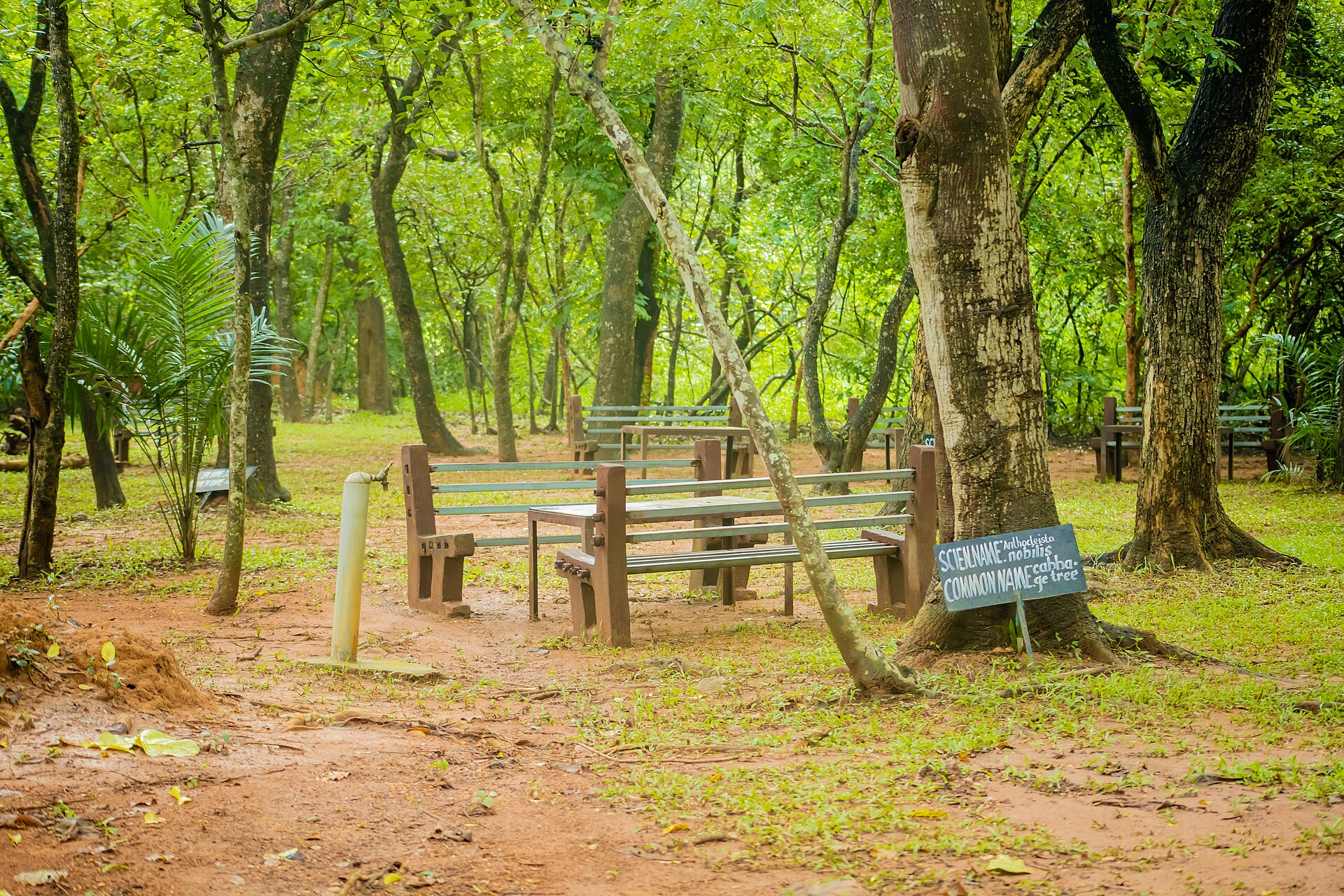
  • Environmental concerns include proper waste management, drainage maintenance, sanitation, and the protection of existing green spaces. Sustainable land use, tree planting, and improved environmental management are important for maintaining a clean, healthy, and resilient municipality.

Tourism Potentials

Opportunities exist to invest in hospitality, restaurants, recreational facilities, cultural experiences, and leisure services that cater to residents, visitors, and business travelers within the municipality.

  • Tourism presents opportunities for economic growth, job creation, and private sector investment within the Kwabre East Municipality. Although the municipality is not widely known for major tourist attractions, its local culture, traditional heritage, community activities, and proximity to Kumasi provide opportunities for developing tourism-related services.
  • The municipality can promote cultural experiences, traditional events, local cuisine, hospitality services, and recreational activities to attract visitors and support local businesses. Investment in hotels, restaurants, event centres, and leisure facilities can further contribute to the development of the local tourism and hospitality industry.
  • With appropriate planning, promotion, and private sector participation, tourism can become a complementary contributor to the municipality's economic development.

Telecommunication, Trade and Commerce

The municipality’s economy is driven primarily by commerce, retail and wholesale trade, services, and small-scale enterprises. Its proximity to Kumasi supports business activities, while telecommunications, financial institutions, markets, and transport services contribute to local economic growth.

  • Telecommunication services play an important role in supporting communication, business operations, and access to digital services within the Kwabre East Municipality. Mobile network operators and other communication service providers help connect residents, businesses, and institutions.
  • The municipality has vibrant commercial activities supported by local markets, shops, trading centres, and small and medium-sized enterprises. These provide opportunities for buying and selling goods, creating employment, and generating revenue for local businesses and the Assembly.
  • Financial institutions and mobile money services also contribute to economic activities by facilitating savings, payments, transfers, and access to financial services. In addition, agriculture and the trading of agricultural produce remain supplementary economic activities in some communities.
  • Investment in market infrastructure, commercial facilities, digital services, and business development can further strengthen the local economy, create employment opportunities, and improve revenue generation within the municipality.
Explore more

Stay connected with the Assembly

Browse public resources, see community moments, and learn more about the people and work behind municipal development.

Partner with Kwabre East

The Assembly welcomes investors, entrepreneurs, development partners, and residents who want to help unlock economic potential and improve livelihoods.
Kwabre East Municipal Assembly